
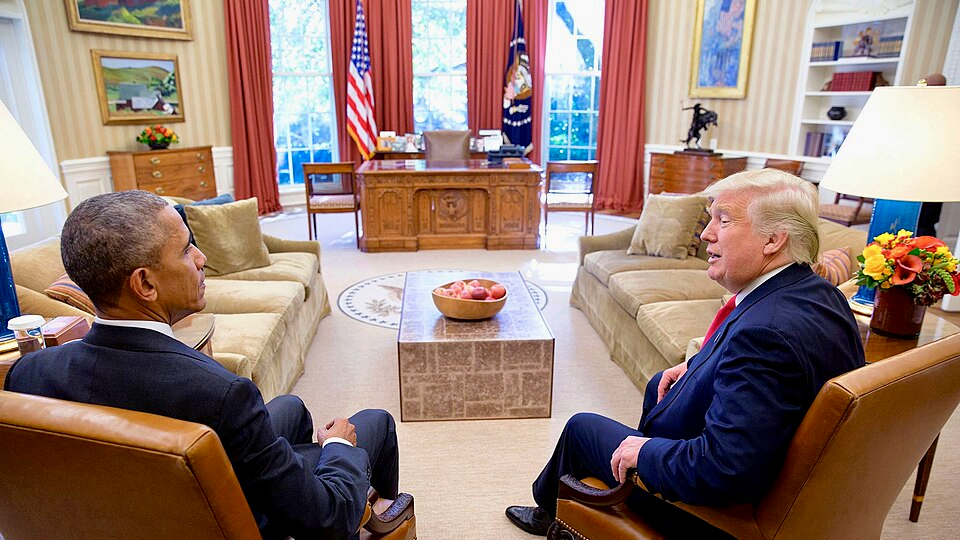

NYHED // OVERBLIK – Den foreløbige fredsaftale trådte i kraft umiddelbart efter, at den amerikanske præsident havde sat sin underskrift under en middag for G7-landenes chefer i Paris. Tilsvarende skrev den iranske præsident Masoud Pezeshkian under i Teheran.
Ifølge Reuters er det første gang, der er indgået en aftale mellem de to lande, siden den islamiske revolution i 1979.
Aftalen betyder blandt andet, at Hormuzstrædet genåbner, og vil være helt åbent i løbet af 30 dage. Desuden skal amerikanske sanktioner mod Iran ophæves og der skal investeres 300 milliarder dollar i genopbygningen af Iran. Det centrale spørgsmål om Irans atomprogram er dog endnu ikke afgjort. Ifølge aftalen skal parterne forhandle videre i op til 60 dage med mulighed for forlængelse, skriver BBC.
På vej ind til middagen, som den franske præsident Emmanuel Macron var vært for, beskrev Donald Trump aftalen som nødvendig for at undgå en global økonomisk krise og pegede på, at den fortsatte konflikt havde bidraget til stigende energipriser og usikkerhed på de finansielle markeder.
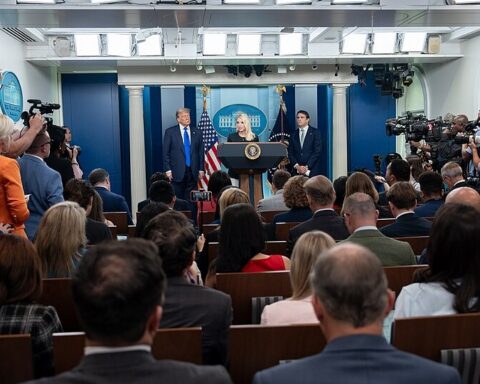
Trump truede dog også med at sønderbombe iranerne, hvis de ikke overholder aftalen. Ved en pressekonference kaldte han iranerne for et klogt folk og sagde, at han ønsker styret overholder aftalen. Kort forinden havde han ifølge Reuters også sagt:
“Hvis jeg ikke kan lide, hvad der sker, hvis de ikke opfører sig ordentligt, så går vi tilbage til at smide bomber lige i hovedet på dem. OK?”
Det er 110 dage siden, at USA sammen med Israel angreb Teheran. Dengang krævede Trump “ubetinget overgivelse” og sagde, at landets atomprogram og missilkapacitet skulle ødelægges fuldstændigt. I begyndelsen af krigen antydede han flere gange, at det iranske regime kunne falde som følge af konflikten. Senere talte han om amerikansk kontrol med Irans olieindustri.
Men den aftale, som blev underskrevet i aftes, er ifølge New York Times milevidt fra de mål. USA opnåede ganske vist betydelige militære resultater, blandt andet er dele af Irans luftvåben, flåde og missilinfrastruktur ødelagt. Avisen vurderer, at Trump ikke fik opfyldt sine politiske mål.
The Guardian skriver, at Trump, da han skrev under, kaldte aftalens 14 punkter for et “major win”, dvs. en stor sejr for USA. Han indikerede, at Iran har en grundlæggende ret til at berige uran til civile formål, og at iranerne ikke skal presses til at opgive sit ballistiske missilprogram. Til gengæld skal de have milliardstøtte til genopbygning.
Iran har overlevet konflikten som stat og regime, og landet får mulighed for igen at sælge olie på verdensmarkedet. Dermed kan Teheran genvinde vigtige indtægter, som har været begrænset af sanktioner og krig. Desuden kan Iran på sigt få adgang til milliarder af indefrosne aktiver.
Ifølge nyhedsbureauet IRNA siger den iranske præsident Pezeshkian, at flertallet i Den Islamiske Revolutionsgarde (IRCG) støtter rammeaftalen, fordi det giver mulighed for at “teste Amerikas sande hensigter med hensyn til at respektere det iranske folks rettigheder i praksis”.
Han tilføjer, at “Lederens (ayatollah Mojtaba Khamenei. red) vejledning har spillet den største rolle og sikret paragraffer som beskytter iranske natioale interesser. Det er vi taknemmelige for”.

Trumps bemærkninger har ligesom aftalens fulde ordlyd fået stor ros af Irans tætte allierede Hizbollahchefen Naim Qassem, skriver the Guardian. Til gengæld ventes kritik fra de republikanere, der har frarådet Trump at indgå en aftale med Iran, og i Israel har aftalen udløst raseri.
Allerede det første punkt i aftalen kan blive problematisk. Der står, at kampene også skal indstilles i Libanon, og at konfliktens parter dér, dvs. Israel og Hizbollah, skal afholde sig fra at genoptage angrebene endsige true med at angribe. Ifølge Al Jazeera er de israelske angreb fortsat ufortrødent, ligesom Hizbollah også løbende angriber mål i Israel.
Problemet er blot, at hverken den israelske regering eller Hizbollah er taget i ed eller har underskrevet dokumentet. Punkt to er også interessant, idet parterne her forpligter sig til at respektere hinandens “suverænitet og territoriale integritet”. Det betyder at USA opgiver enhver ambition om at hjælpe iranerne med at afsætte præstestyret.
Desuden forpligter USA sig ikke alene til at ophæve de sanktioner mod Iran, som de selv har vedtaget. Amerikanerne vil også arbejde for, at FN-systemet og andre lande fjerner deres sanktioner og at FN’s sikkerhedsråd ruller ufordelagtige resolutioner tilbage.
Paragraf otte handler om Irans atomprogram, og her forpligter iranerne sig blandt andet til hverken at købe eller udvikle atomvåben. Der står også, at USA og Iran sammen skal finde en løsning på at afvikle eller uskadeliggøre Irans lager af beriget uran, og at det skal ske under supervision fra det Internationale atomenergiagentur IAEA.
Her er ordlyden (engelsk) af den aftale på 14 punkter som blev underskrevet i nat. Flere internationale medier, inklusive iranske statsmedier, har offentliggjort aftalen. Her er kilden Time.
1 — The United States of America and the Islamic Republic of Iran and their allies in the current war, by signing this MOU, declared the immediate and permanent termination of military operations on all fronts, including in Lebanon, and undertake from now on not to initiate any war or any military operation against each other, and to refrain from the threat or use of force against each other and ensuring the territorial integrity and sovereignty of Lebanon. The final deal will confirm the permanent termination of the war on all fronts, including in Lebanon and other provisions of this paragraph.
2 — The United States of America and the Islamic Republic of Iran undertake to respect each other’s sovereignty and territorial integrity, and to refrain from interfering in each other’s internal affairs.
3 — The United States of America and the Islamic Republic of Iran commit to negotiating and achieving the final deal in maximum 60 days, expendable with mutual consent.
4 — Immediately upon the signing of this MOU, the United States of America will begin the removal of its naval blockade and any disturbances or impediments against the Islamic Republic of Iran, and will fully end the naval blockade within 30 days. During this period, the traffic of vessels will be in proportion to the numbers of pre-war traffic being restored by the Islamic Republic of Iran. The United States of America further undertakes to remove its forces from the proximity of the Islamic Republic of Iran within 30 days after the final deal.
5 — Upon the signing of this MOU, the Islamic Republic of Iran will make arrangements using its best efforts for the safe passage of commercial vessels with no charge for 60 days only from the Persian Gulf to the Sea of Oman and vice versa. The traffic of commercial vessels will immediately start, and considering the need for removing the technical and military obstacles and demining by the Islamic Republic of Iran, will be instated within 30 days. The Islamic Republic of Iran will conduct dialogue with the Sultanate of Oman to define the future administration and maritime services in the Strait of Hormuz, in discussion with other Persian Gulf littoral states in line with the applicable international law and the sovereign rights of coastal states of the Strait of Hormuz.
6 — The United States of America undertakes with regional partners to develop a definitive, mutually agreed plan with at least USD $300 billion for the reconstruction and economic development of the Islamic Republic of Iran. The mechanism for the implementation of this plan will be finalized as part of a final deal within 60 days. All required licenses, waivers, and permissions needed for the relevant financial transactions will be granted by the United States of America.
7 — The United States of America undertakes to terminate all types of sanctions against the Islamic Republic of Iran, including the United Nations Security Council resolutions, IAEA Board of Governors resolutions, and all unilateral U.S. sanctions—primary and secondary—in an agreed upon schedule as part of the final deal. The Islamic Republic of Iran and the United States of America acknowledge the critical importance of the sanctions termination issue above mentioned and expressed their intentions to immediately address these issues in the negotiations in order to achieve mutual agreement on them.
8 — The Islamic Republic of Iran reaffirms that it shall not procure or develop nuclear weapons. The United States of America and the Islamic Republic of Iran have agreed to resolve the disposition of stockpile enriched material pursuant to a mechanism that will be mutually agreed upon in accordance with the schedule mentioned in paragraph seven, with the minimum methodology to be down blending on site under the supervision of the IAEA. The two parties also agreed to discuss the issue of enrichment and other mutually agreed matters related to the Islamic Republic of Iran’s nuclear needs, based on a satisfactory framework being agreed upon in the final deal. The final deal will confirm the provisions of this paragraph. The United States of America and the Islamic Republic of Iran acknowledged the critical importance of the nuclear issues above mentioned and expressed their intention to immediately address these issues in the negotiations in order to achieve mutual agreement on them.
9 — Pending the final deal, the United States of America and the Islamic Republic of Iran agree to maintain the status quo. The Islamic Republic of Iran will maintain the current status quo of its nuclear program and the United States of America will not impose any new sanctions and will not deploy additional forces in the region.
10 — The United States of America undertakes that immediately upon the signing of this MOU and until the termination of sanctions, the U.S. Department of Treasury will issue waivers for the export of Iranian crude oil, petroleum products and derivatives, and all associated services, including banking transactions, insurances, transportation, etc.
11 — The United States of America undertakes to make fully available for use the frozen or restricted funds and assets of the Islamic Republic of Iran. Upon the implementation of the MOU, the United States of America and the Islamic Republic of Iran will mutually agree on the procedures related to the release of these funds during the negotiations. Such funds, whether retained in the original account or transferred, shall be made fully usable for payment to any ultimate beneficiary designated by the central bank of the Islamic Republic of Iran. The United States of America undertakes to issue all the necessary licenses and authorizations accordingly.
12 — The United States of America and Islamic Republic of Iran agree that an executive mechanism will be established to monitor the successful implementation of this MOU and the future compliance of the final deal.
13 — After signing this MOU, and subject to the beginning of the implementation of paragraphs 1, 4, 5, 10, and 11 of this MOU, and the continuing implementation of these measures, the United States of America and the Islamic Republic of Iran will start negotiations regarding the final deal exclusively on the other paragraphs.
14 — The final deal will be endorsed by a binding United Nations Security Council resolution.
Kilde: New York Times, IRNA, Reuters, The Guardian og BBC
POV Overblik
Støt POV’s arbejde som uafhængigt medie og modtag POV Overblik samt dagens udvalgte tophistorier alle hverdage, direkte i din postkasse.
- Et kritisk nyhedsoverblik fra ind- og udland
- Indsigt baseret på selvstændig research
- Dagens tophistorier fra POV International
- I din indbakke alle hverdage kl. 12.00
- Betal med MobilePay
For kun 25 kr. om måneden giver du POV International mulighed for at bringe uafhængig kvalitetsjournalistik.




 og
og